
Call us now :07971549744
 Send Inquiry
 Send Inquiry
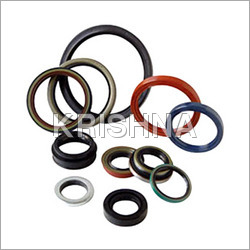
Silicone O Rings
Price 100 INR/ Piece
MOQ : 100 Pieces
Silicone O Rings Specification
- Diameter
- Varies by size (customizable)
- Tolerance
- 0.05 mm
- Natural Rubber
- No (Synthetic Silicone Rubber)
- Resistance level
- Excellent resistance to UV, ozone, weathering, and chemicals
- Material
- Silicone Rubber
- Size
- Standard and custom sizes available
- Thermal Conductivity
- Low
- Weight
- Depends on size
- Density
- 1.2 Gram per cubic centimeter(g/cm3)
- Usage & Applications
- Sealing, gasketing, hydraulic and pneumatic systems, plumbing, automotive, and food industry equipment
- Thickness
- Varies by size (customizable)
- Color
- Red, Transparent, White, other custom colors
- Components
- Silicone Elastomer
- Hardness
- 6070 Shore A
- Water Absorption
- <0.5%
- Surface Finish
- Smooth
- Product Type
- O Ring
- Style
- Round/Oval Cross Section
- Tensile Strength
- 912 MPa
- Rubber Type
- Silicone
- Flame Resistance Level
- UL 94 HB
- Compression Ratio
- Recommended 2030%
- Width
- Varies by size (customizable)
- Length
- Continuous (joined to form ring)
- Shape Retention
- Excellent resilience and shape memory
- Operating Pressure
- Up to 10 MPa (varies with size/application)
- Minimum Order Quantity
- Negotiable
- Packaging
- Poly bag/Carton
- Food Grade Certification
- Available upon request
- OEM Service
- Available
- Elongation at Break
- 400-550%
Silicone O Rings Trade Information
- Minimum Order Quantity
- 100 Pieces
- Payment Terms
- Cash in Advance (CID), Cheque, Cash Advance (CA)
- Supply Ability
- 5000 Pieces Per Week
- Delivery Time
- 3 Days
- Main Export Market(s)
- Western Europe, Australia, North America, South America, Eastern Europe, Middle East, Central America, Asia, Africa
- Main Domestic Market
- All India
About Silicone O Rings
In order to meet the various industry requirements of the clients, we are presenting the finest quality Silicone O Rings. This sealant is widely used for molding and jointing of rubber and metal machine components, depending upon the need of our clients. We manufacture our extensive range of rings using the latest production technology to meet the various demands of the clients. In addition to this, we deliver these Silicone O Rings within the promised period of time.
Features:
-
Dimensional accuracy
-
Excellent Finish
-
Absolutely defect free
-
Light weight
Superior Performance and Customization
These silicone O rings are engineered for excellent durability, offering outstanding shape retention and resilience. With both standard and tailor-made sizes, along with various cross-sectional styles, they cater to a wide array of sealing requirements across harsh environments. Their superior tensile strength and compression ratio ensure reliable pressure resistance (up to 10 MPa), meeting diverse industrial and food-grade standards.
Versatile Applications Across Industries
Our silicone O rings excel in sealing, gasketing, and insulation duties, making them an essential choice for hydraulic and pneumatic systems, plumbing, automotive assemblies, and food processing equipment. They are designed to withstand environmental challenges, thanks to superior chemical, weather, and flame resistance (UL 94 HB), while maintaining low water absorption and thermal conductivity. OEM options guarantee tailored solutions for your unique requirements.
FAQs of Silicone O Rings:
Q: How are custom-sized silicone O rings manufactured for specialized applications?
A: Custom-sized silicone O rings are produced by adapting mold tooling specifications or precision cutting, based on your dimensional and performance requirements. OEM services allow for specific sizing, color, and cross-sectional shapes. Contact our team with your detailed application needs to initiate the customization process.Q: What benefits do silicone O rings offer compared to natural rubber alternatives?
A: Silicone O rings exhibit superior resistance to UV, ozone, weathering, and chemicals, far outperforming natural rubber. Their high elongation at break, remarkable resilience, and stable physical properties in both hot and cold environments ensure extended service life and consistent performance in diverse industries.Q: When is food grade certification necessary for silicone O rings?
A: Food grade certification should be requested when O rings will come into direct contact with consumables or be used in food processing equipment. Our silicone O rings can be manufactured and supplied with food grade certification upon request to meet compliance with safety and regulatory standards.Q: Where are these silicone O rings typically used?
A: These O rings are utilized in applications ranging from sealing and gasketing in hydraulic and pneumatic systems to plumbing, automotive, and food industry equipment. Their versatile properties make them suitable wherever watertight, airtight, or chemical-resistant seals are essential.Q: What is the process for placing a bulk or custom order, and is the minimum order quantity fixed?
A: To place a bulk or custom order, share your specificationssize, color, cross-section, quantity, and application details. Our minimum order quantity is negotiable and can be adapted to meet project requirements. Contact our sales team for a tailored quotation and order process.Q: How should silicone O rings be stored and handled to preserve their properties?
A: Store silicone O rings in a cool, dry place away from direct sunlight, ozone sources, and extreme temperatures. Packaging in poly bags or cartons helps prevent contamination and deformation. Handle gently to avoid stretching or mechanical stress before installation.Q: What are the main benefits of using silicone O rings in challenging environments?
A: These O rings provide long-lasting sealing performance due to outstanding resistance to environmental factors such as UV exposure, fluctuating temperatures, and aggressive chemicals. Their excellent compressibility and shape memory contribute to maintaining leak-proof seals in even the most demanding industrial settings.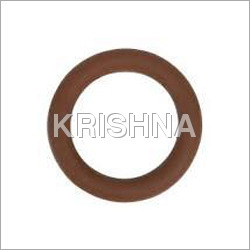
Tell us about your requirement

Price:
Quantity
Select Unit
- 50
- 100
- 200
- 250
- 500
- 1000+
Additional detail
Mobile number
Email

More Products in Rubber Products Category
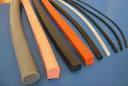
Silicon Rubber Strips
Price 25 INR / Meter
Minimum Order Quantity : 100 Meters
Color : Red, White, Translucent, Custom as required
Product Type : Silicon Rubber Strip
Part Type : Strip
Volatile Matter (%) : Negligible
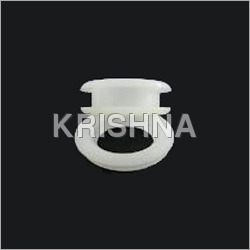
White Rubber Washer
Price 20 INR / Piece
Minimum Order Quantity : 100 Pieces
Color : White
Product Type : Rubber Washer
Part Type : Washer
Volatile Matter (%) : 1.0% max
neoprene rubber cords
Color : Black
Product Type : Rubber Cord
Part Type : Cord
Volatile Matter (%) : Minimal
Rubber Seals
Color : Black
Product Type : Rubber Seal
Part Type : Seal / Gasket
Volatile Matter (%) : 1.5% max


 Send Inquiry
Our Products

40, Athipalayam Road, Ganapathy,Coimbatore - 641006, Tamil Nadu, India

Mr S Balakrishnan
(Proprietor)
Mobile :07971549744
 Send Inquiry
 Send SMS
Developed and Managed by Infocom Network Private Limited.
